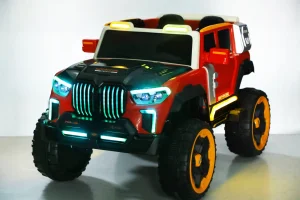
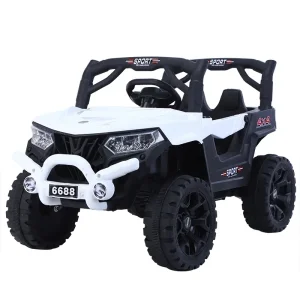
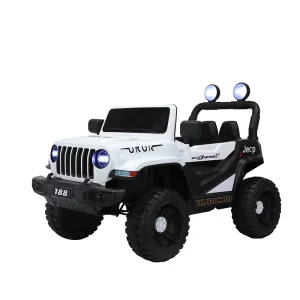
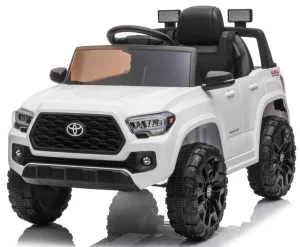
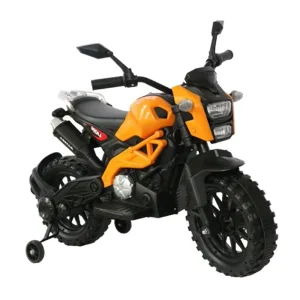
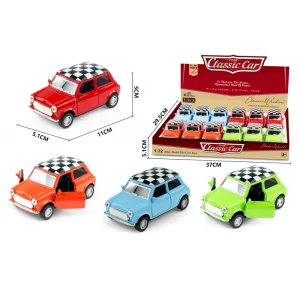
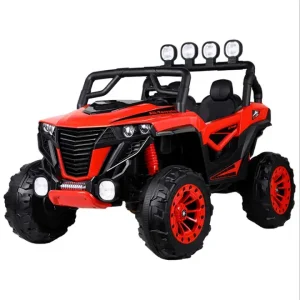
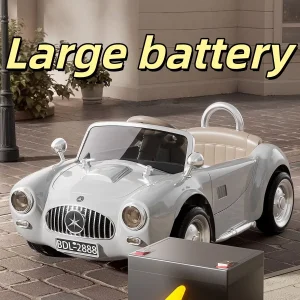
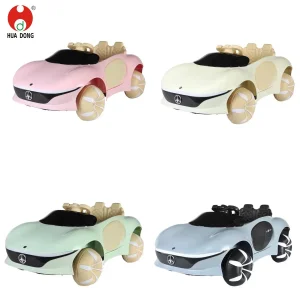
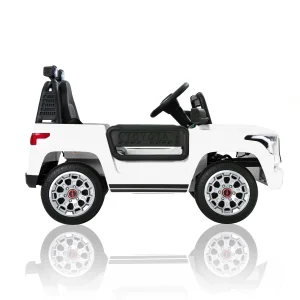
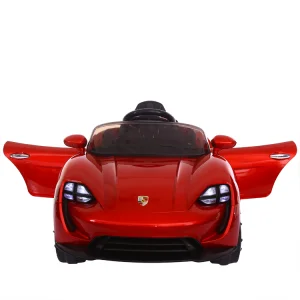
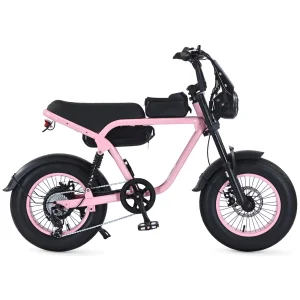
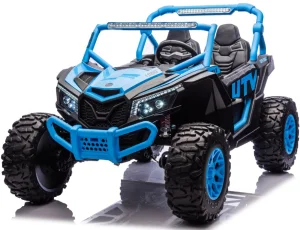
Explore our elite selection of wholesale-ready, high-durability electric vehicles engineered with safety, speed-limiting controls, and authentic aesthetic replication.
The global kids' electric vehicle (EV) market has entered a phase of rapid evolutionary change, transitioning from simple plastic toys to complex, smart miniature automobiles. In this context, B2B buyers—ranging from mass-market retail chains to high-end toy distributors—must balance children's visual desires for replica licensed aesthetics with the stringent safety protocols dictated by global regulatory frameworks. Under the operational stewardship of Hebei Whoo Toys Co., Ltd. (integrating foundational strengths from Shanghai Zhenbao Industrial Co., Ltd.), we have positioned our manufacturing pipeline as a global vanguard of compliance, innovation, and price competitiveness.
As a leading manufacturer of ride-on toys for children in China, we have committed ourselves to resolving the classic distributor conflict: sourcing products that feature high aesthetic and structural quality while keeping the wholesale margin viable. We are a new factory and value the quality for the products. Our mission is to innovate and develop the high-quality ride-on toy with a highly competitive price to ensure the ultimate satisfaction of our customers and suppliers.
Modern consumers demand features mirroring adult EVs—dual-drive systems, complex steering suspension, progressive soft-start mechanics, and interactive educational dashboards. By analyzing regional import behaviors, we've structured our manufacturing system to meet target specifications for Europe, North America, and emerging markets, combining aesthetic appeal with rigorous safety features.
Engineering a kids' electric coupe car requires careful mechanical optimization to manage kinetic energy safely for young drivers. Unlike traditional plastic toys, our coupe line is built on a heavy-duty chassis design engineered to withstand high impacts and distribute load evenly across all axles.
We integrate 2.4G Bluetooth Parental Remote Control systems with ultimate priority override. The remote control uses frequency-hopping technology to prevent signal overlapping, allowing parents to control steering, velocity, and emergency braking within a 30-meter radius.
Our coupes utilize low-maintenance Brushed and Brushless DC motors (ranging from 6V 25W, 12V 35W, to high-performance 24V 350W setups) coupled with progressive soft-start acceleration modules. This prevents the whiplash effect common in cheap toy cars, safeguarding the child's cervical spine.
The chassis and body shells are formed from virgin, non-toxic Polypropylene (PP) and High-Density Polyethylene (HDPE). All color masterbatches are lead-free and formulated to resist UV breakdown, ensuring structural stability and color retention over years of exposure.
Our technical engineering team prioritizes safety compliance across all production lines. Our design and manufacturing focus remains firmly on guaranteeing the safety and quality of our products, aligning with stringent global regulations across North America and Europe, because safety is paramount for children's toys. All vehicles undergo rigorous dynamic load, chemical migration, and battery stability testing to guarantee consistent, safe operation.
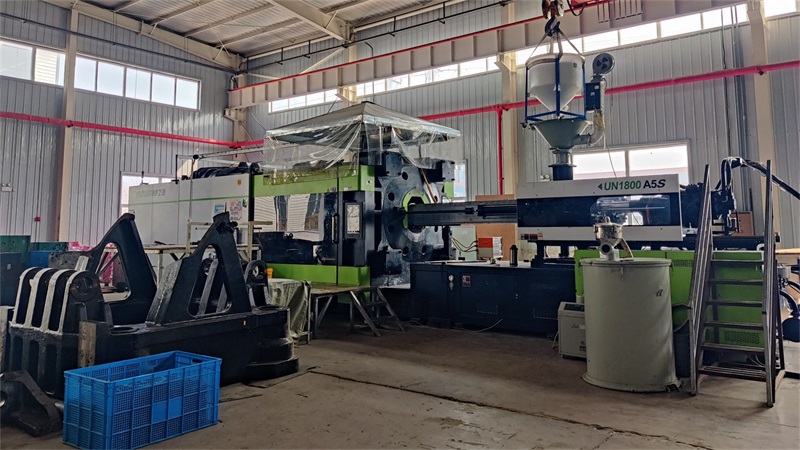
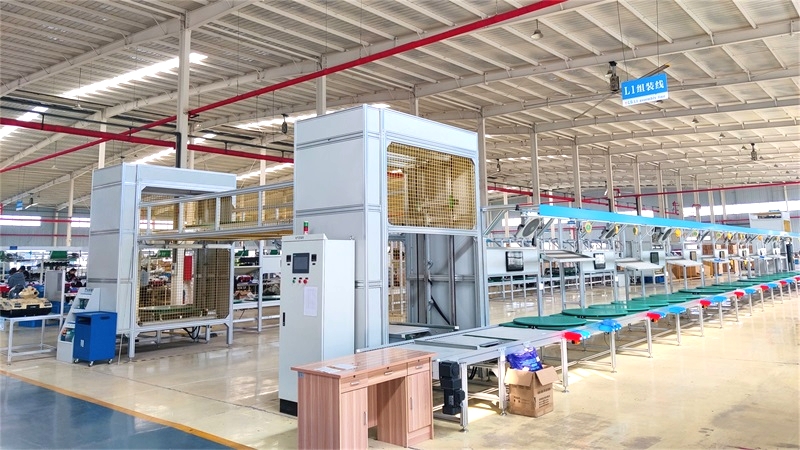
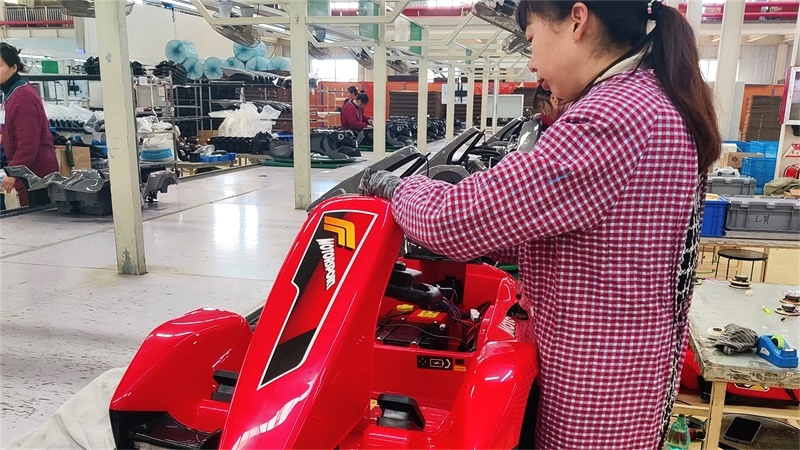
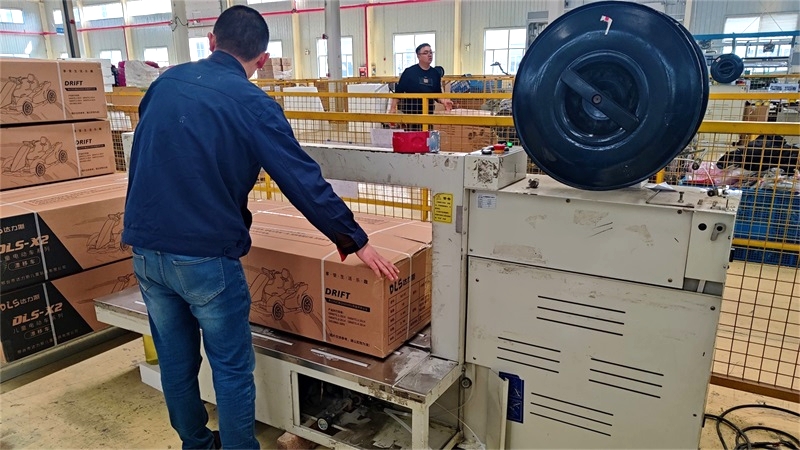
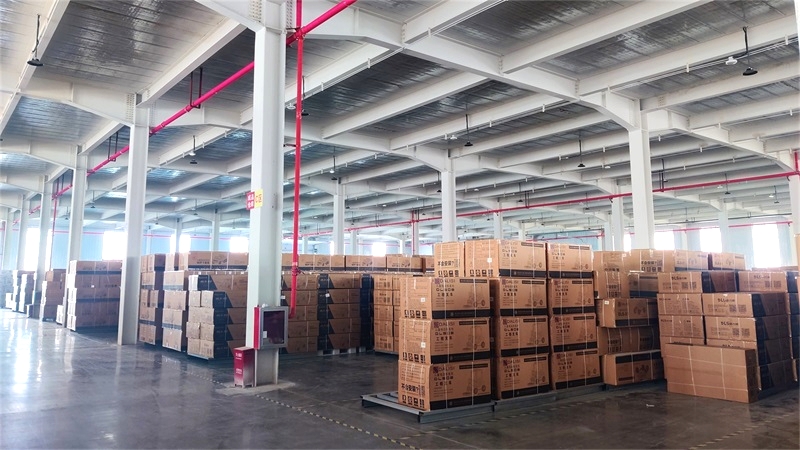
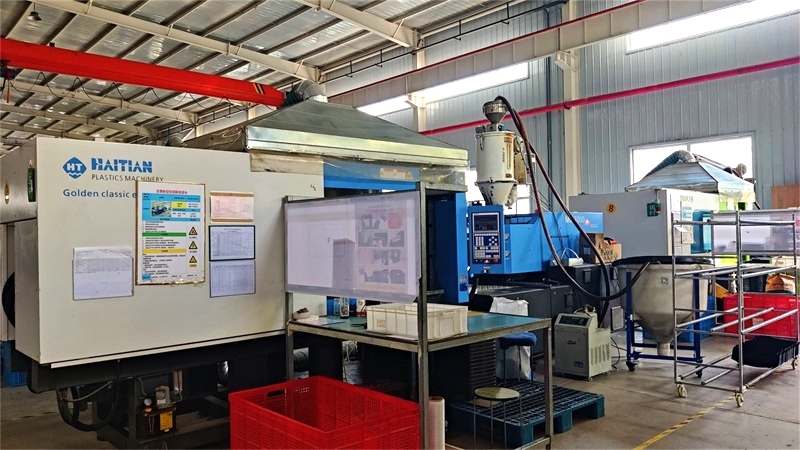
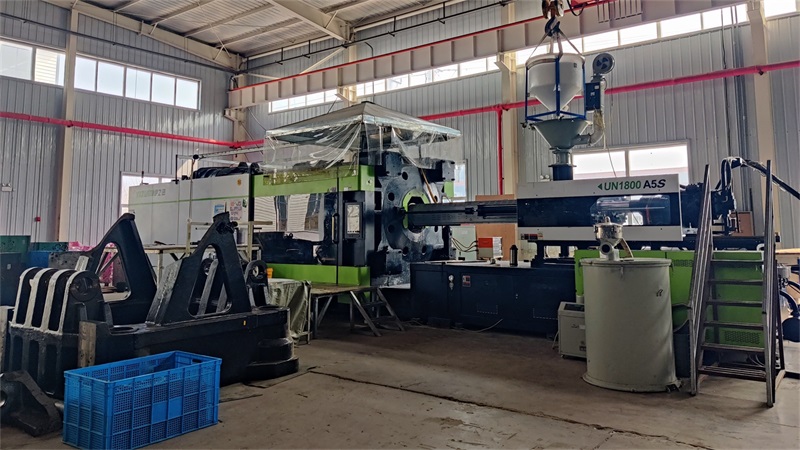
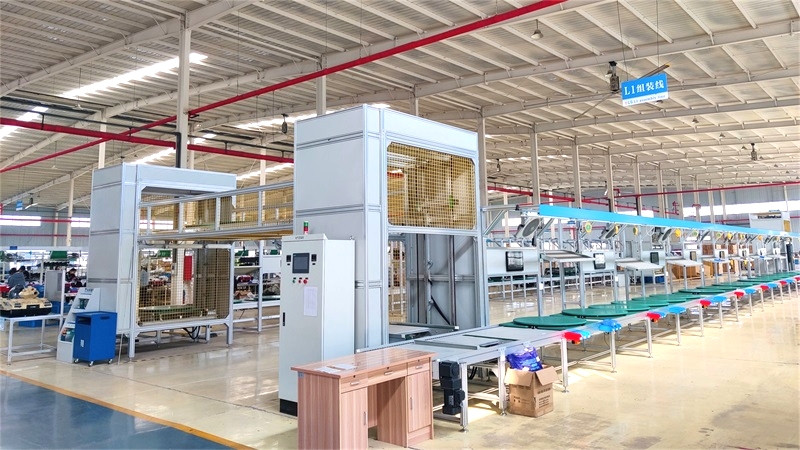
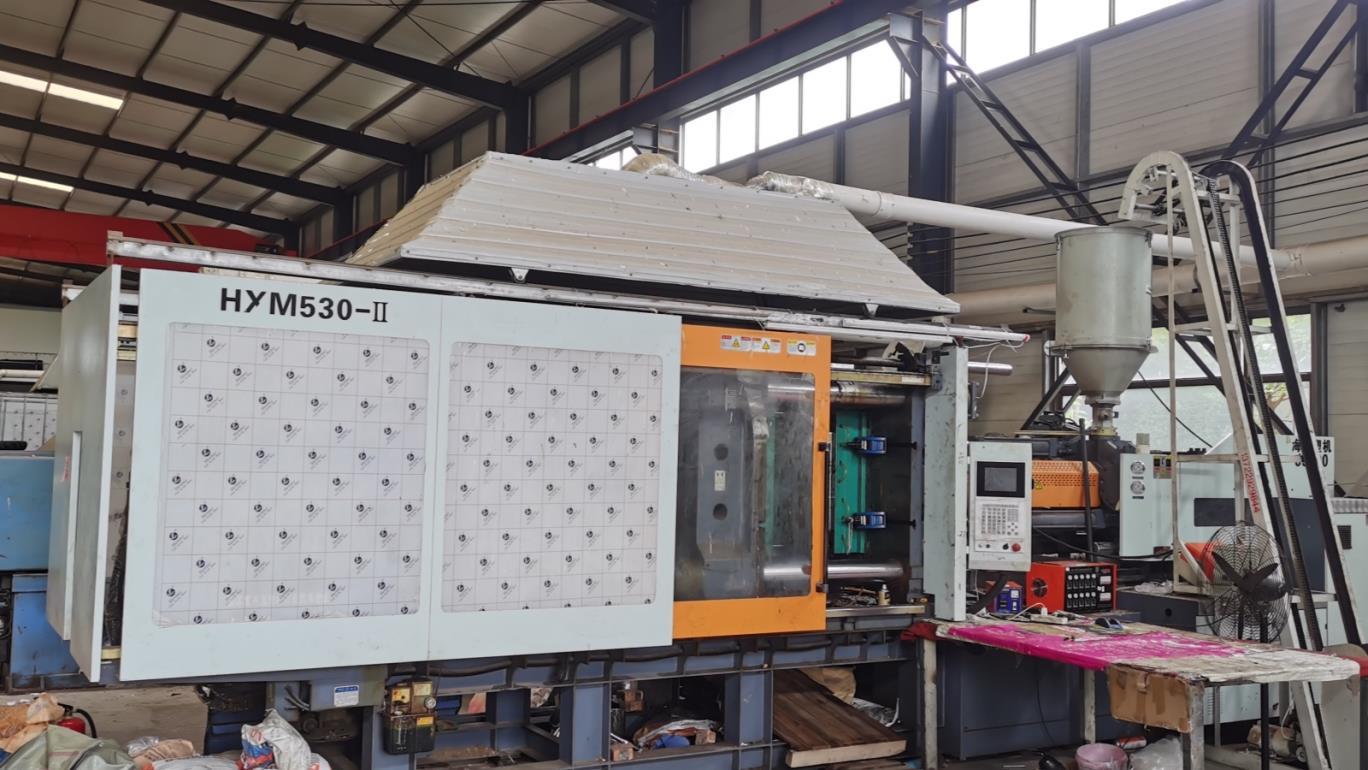
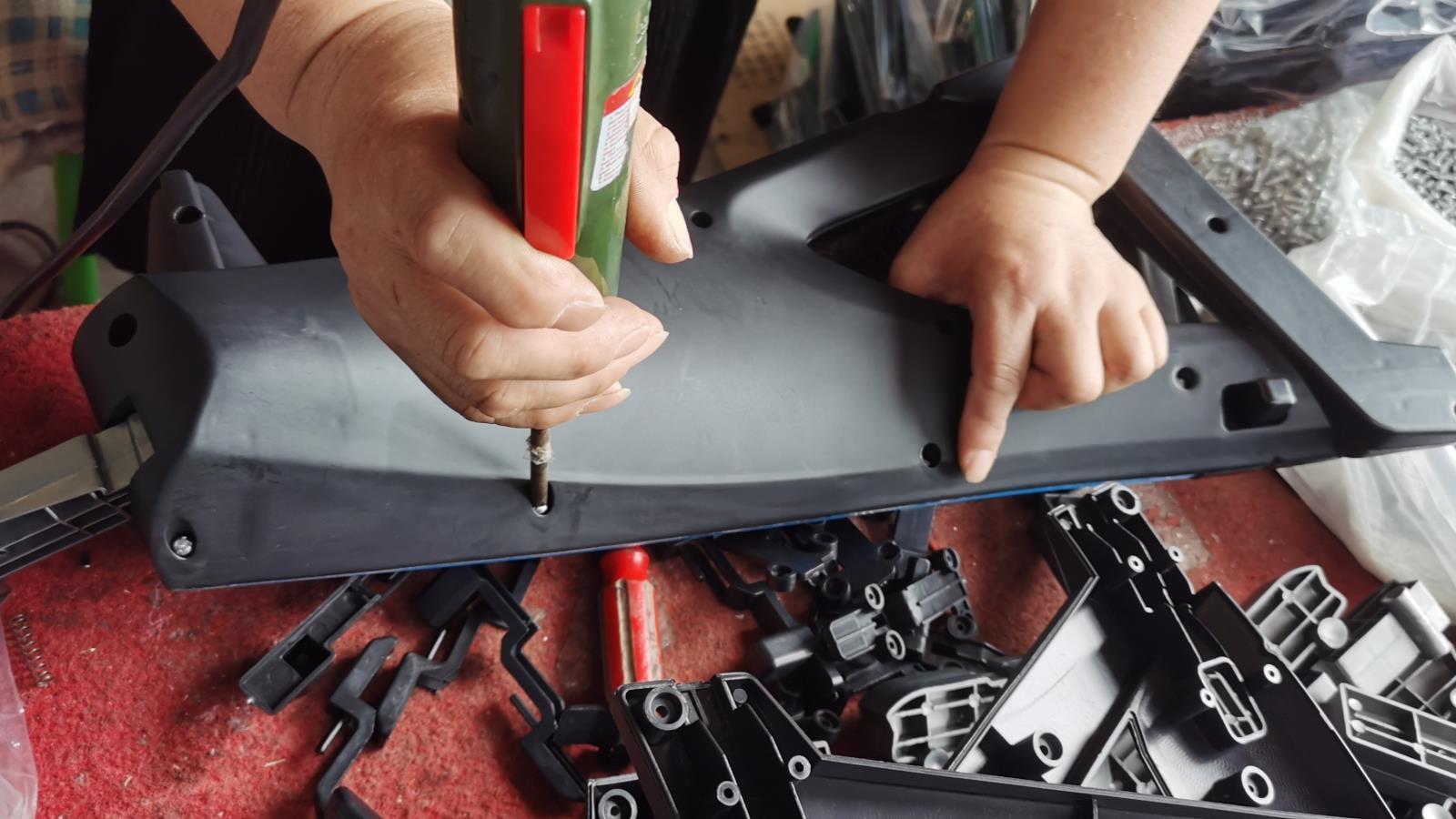
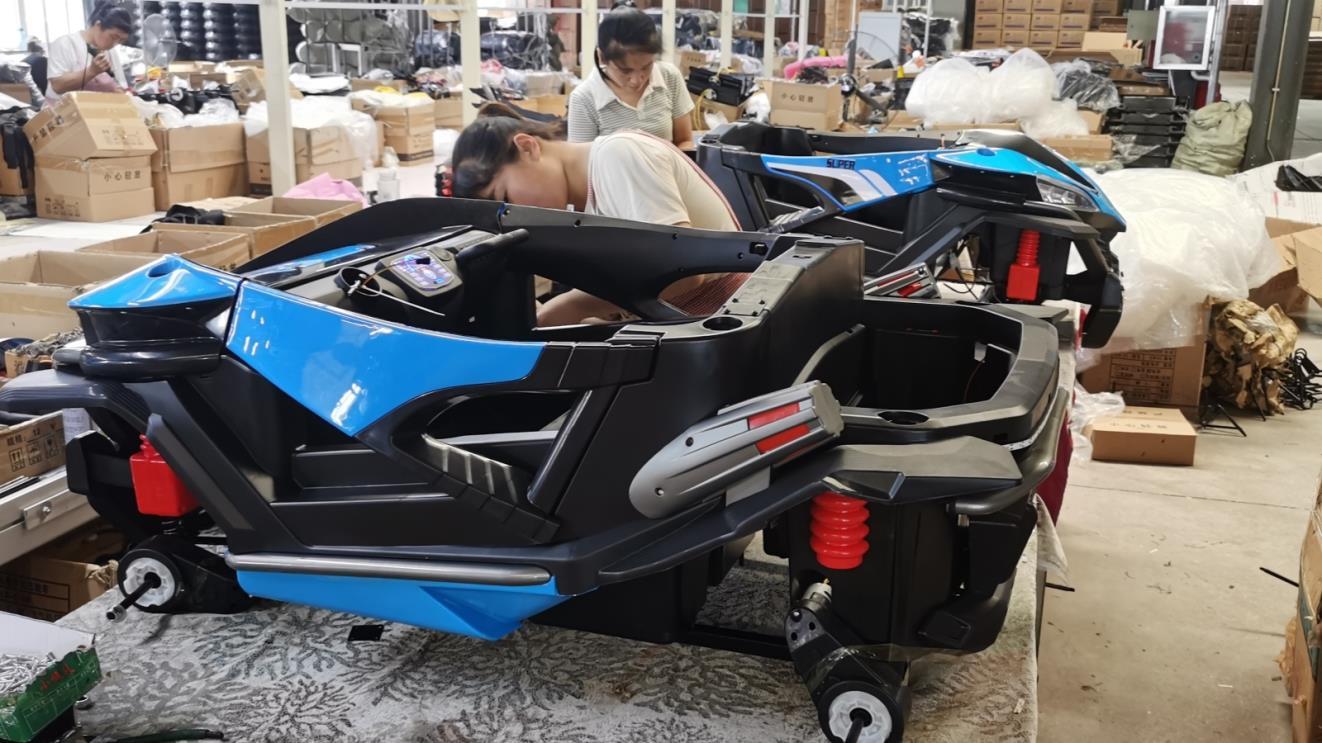
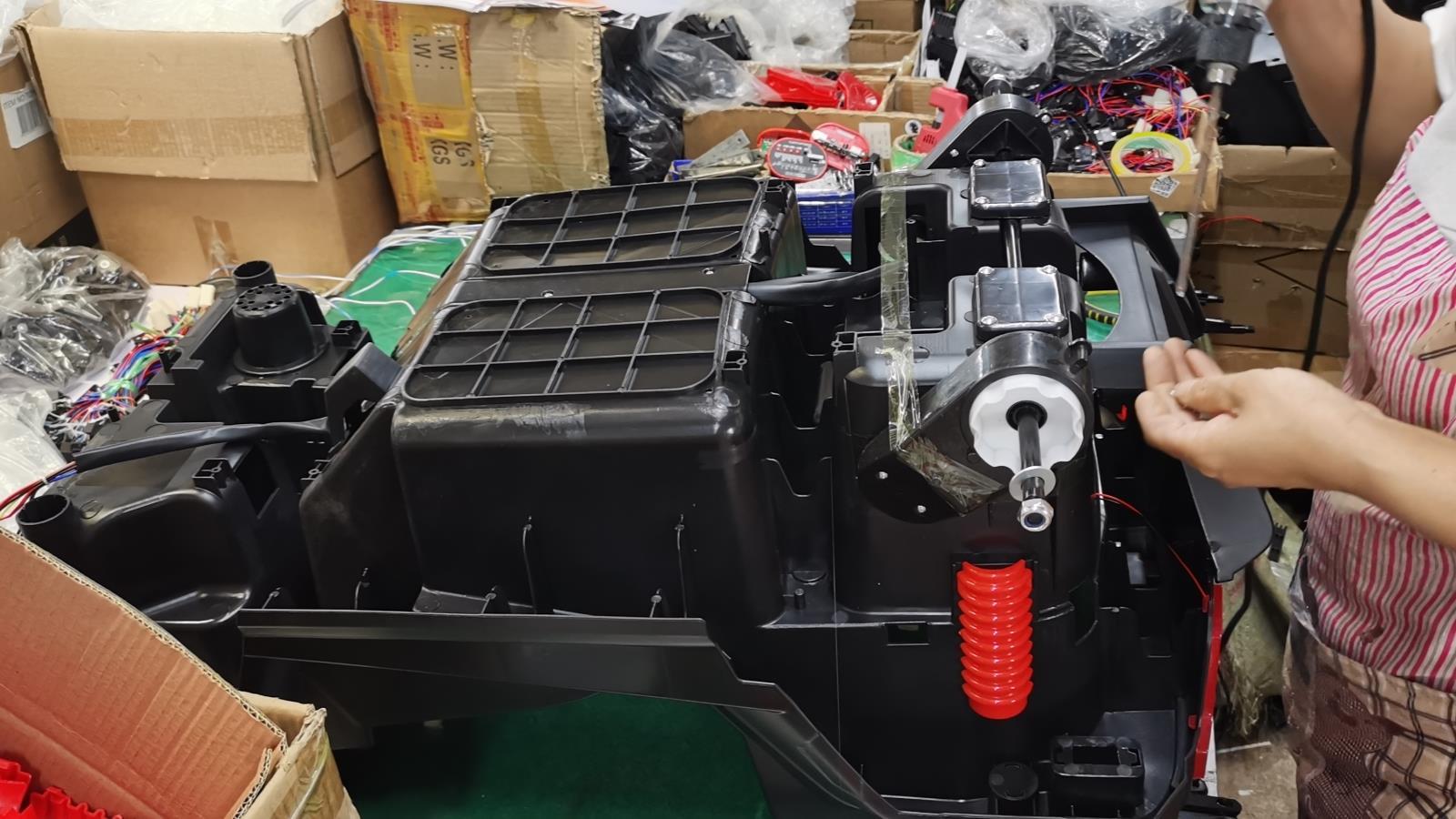
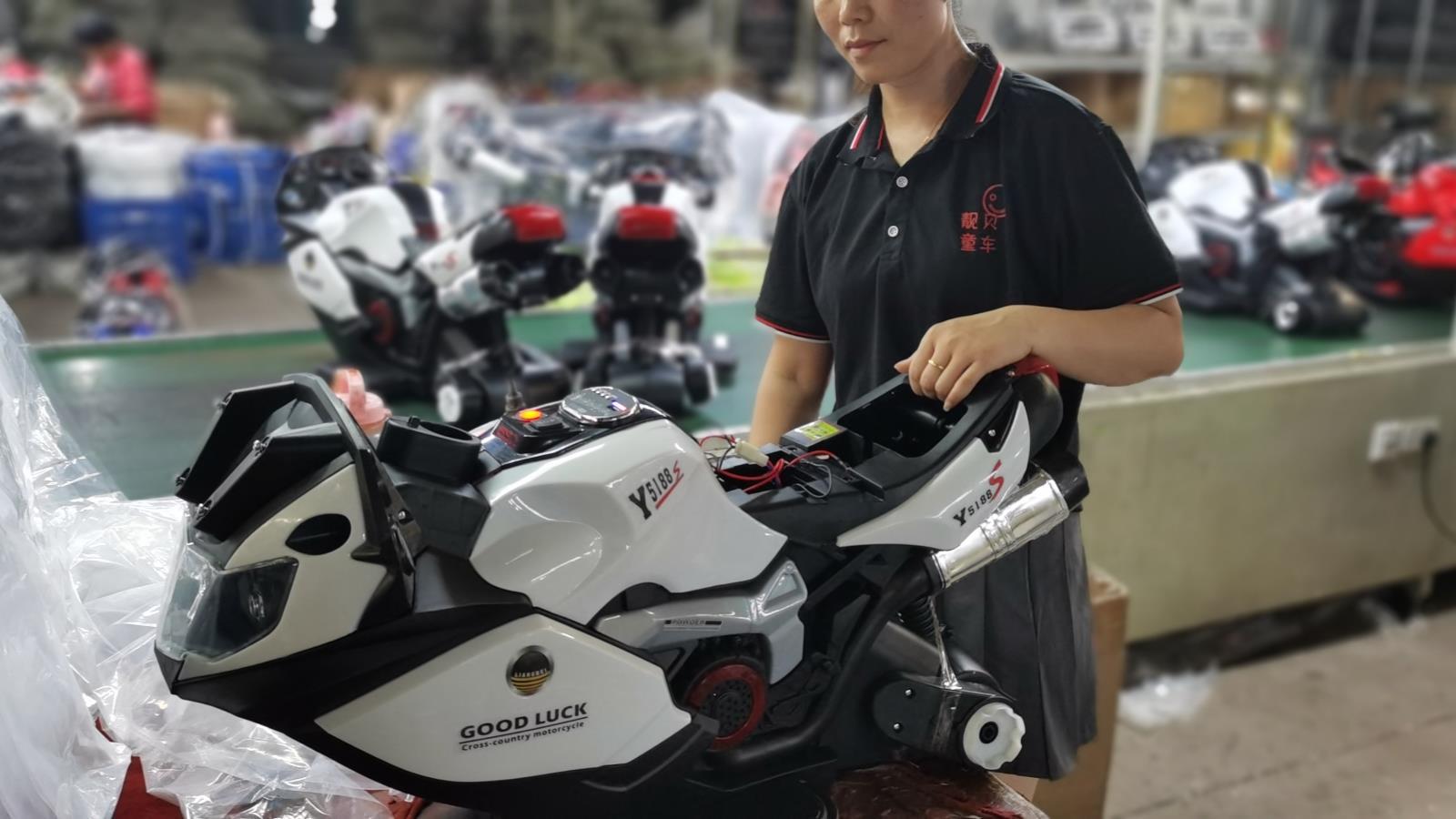
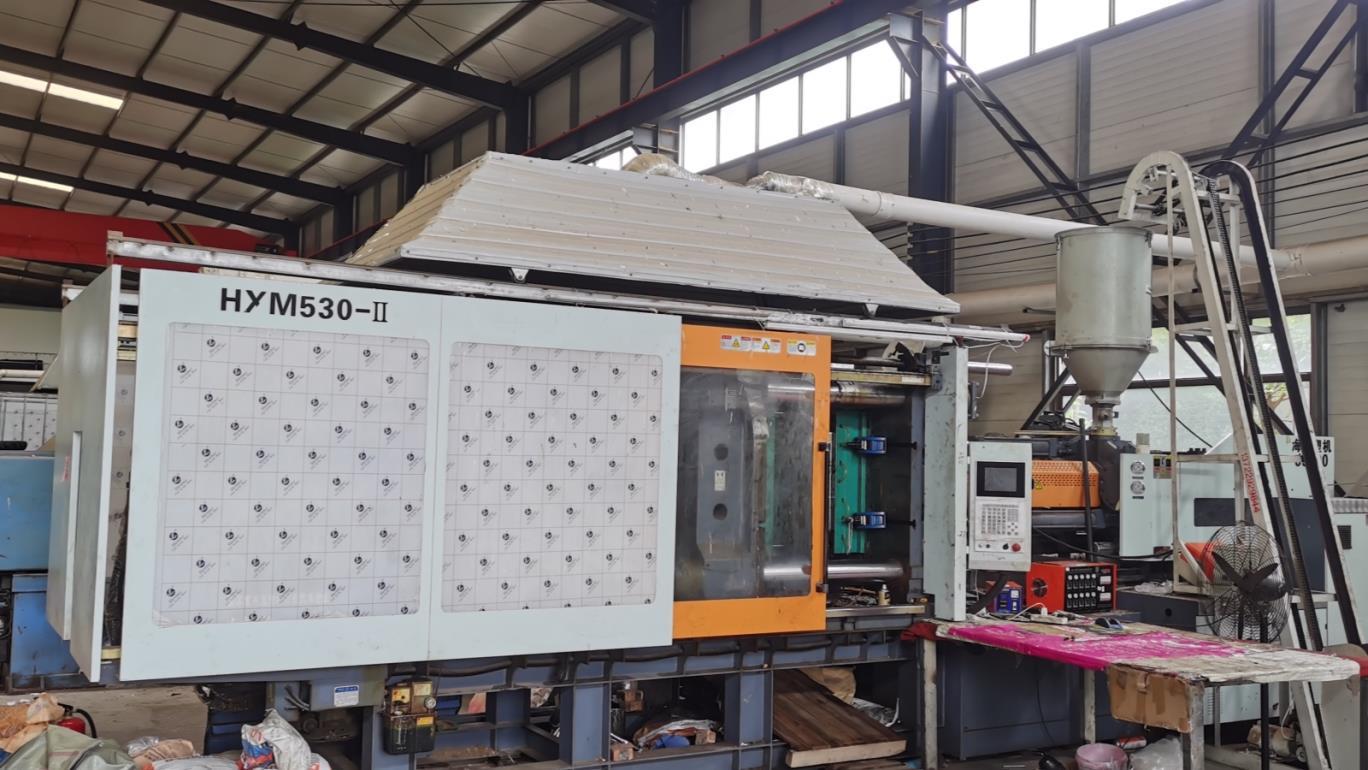
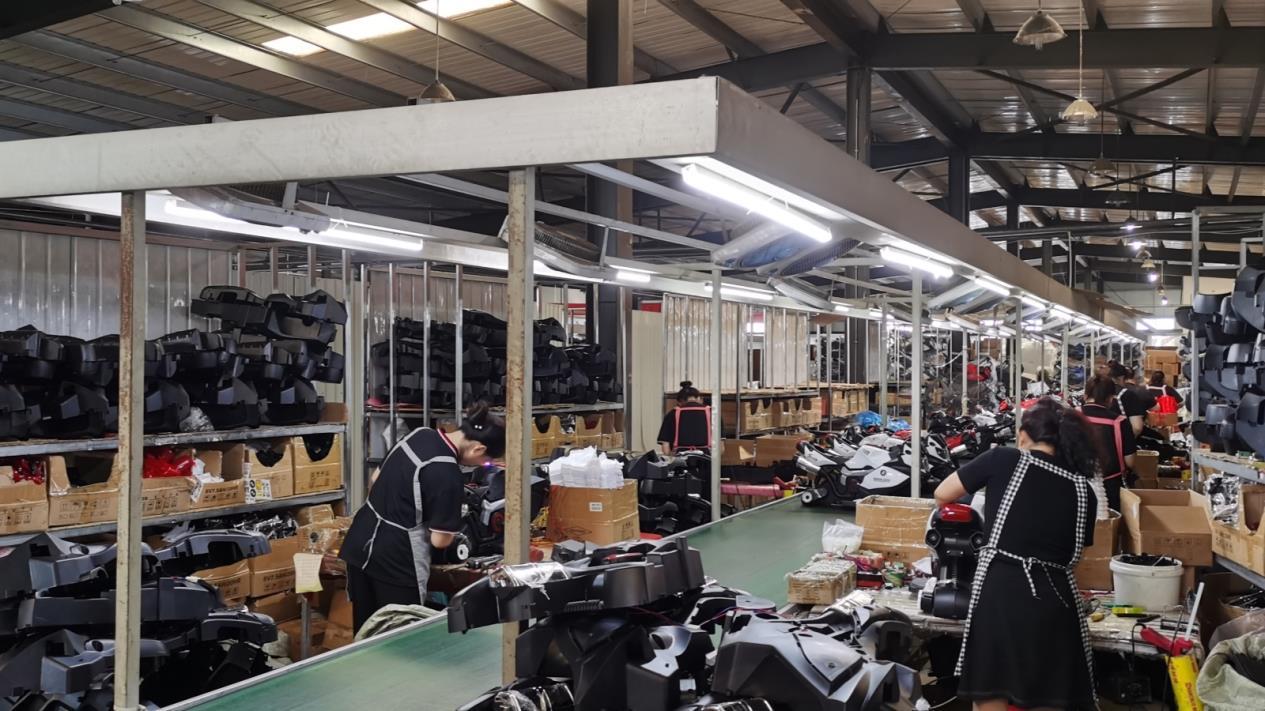
Under our lean manufacturing management framework, we operate a vertically integrated production line—from polymer compounding and heavy-duty injection molding to final assembly and safety testing.
For international toy importers, navigating import customs and retail compliance audits requires proper documentation. Uncertified toys run the risk of seizure at borders, heavy financial penalties, and brand damage. Our manufacturing system operates in compliance with international testing frameworks.
All products have passed the National Toys 3C Certification, CE/EN Certification, and ASTM & CPSC Certification. Our compliance framework covers the following key elements:
By providing verified CE, RoHS, and ASTM test reports issued by independent accredited testing laboratories (such as SGS, TUV, and Intertek), we simplify import clearance processes for our B2B partners worldwide.
The performance requirements for ride-on cars vary by country, depending on local geography, housing styles, and safety standards. Our product catalog is structured to meet these distinct regional needs:
In high-density cities, indoor storage is limited. For these markets, we supply lightweight, compact electric coupes featuring easy-carry transport bars, low-noise EVA tires, and quiet motors. These design features protect hardwood floors and keep noise levels suitable for apartment living.
For larger suburban yards and park use, we manufacture 12V and 24V four-wheel-drive (4WD) coupes. These vehicles are equipped with real spring suspension systems, deep-tread tires, and high-torque gearboxes, allowing them to traverse grass, gravel, and minor inclines easily.
Commercial play zones require extra durability. Our heavy-duty commercial range features reinforced chassis, quick-swap battery bays, and simplified wiring layouts, enabling operators to keep vehicles running continuously with minimal downtime.
China's toy manufacturing industry excels because of its highly integrated local supply chains. Based in Hebei with logistics connections stretching to Shanghai, our factory sources polymer resins, motors, gearboxes, and microchips from local suppliers. This geographic advantage keeps our material costs low and protects our production schedules from global logistics disruptions.
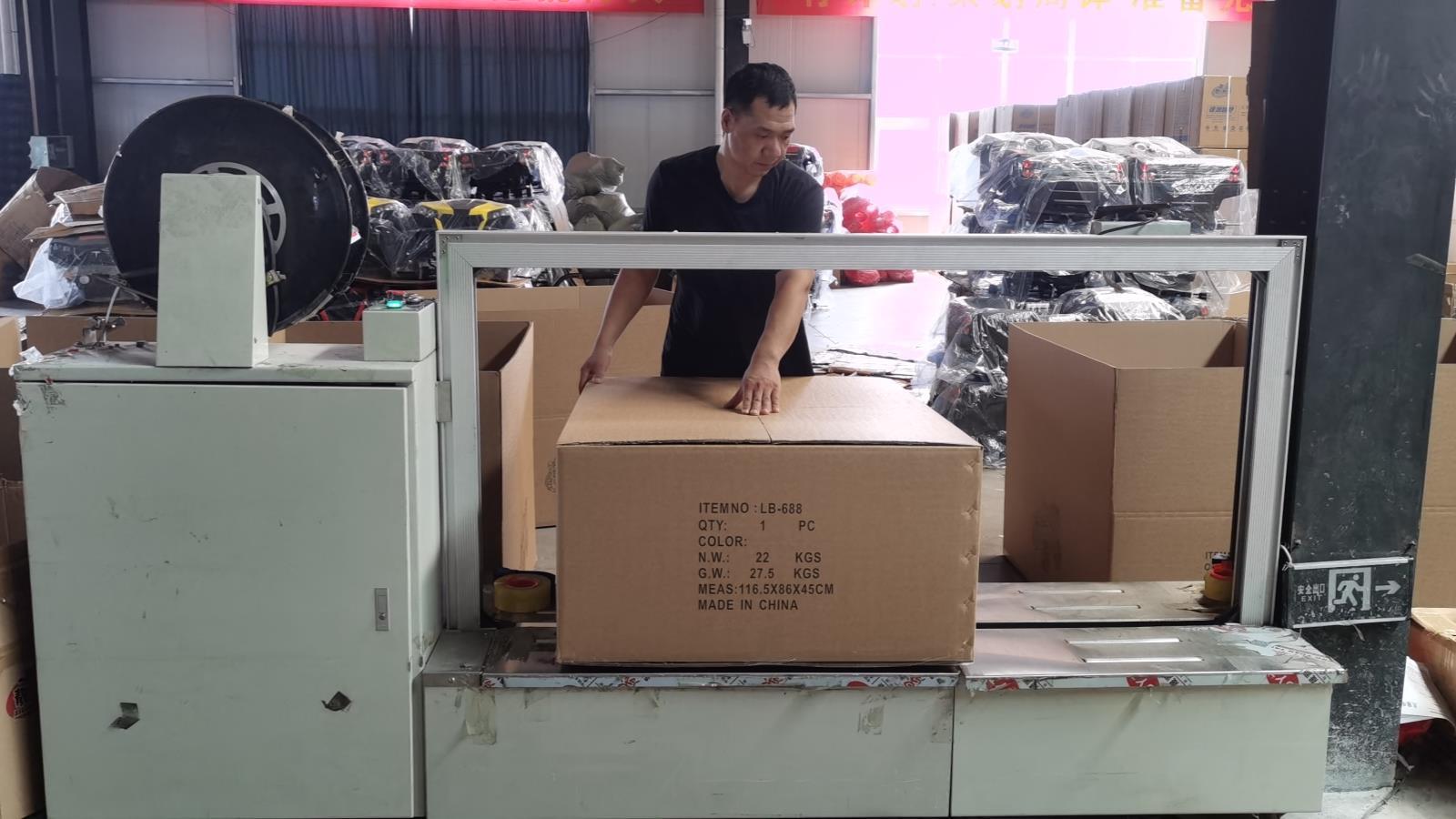
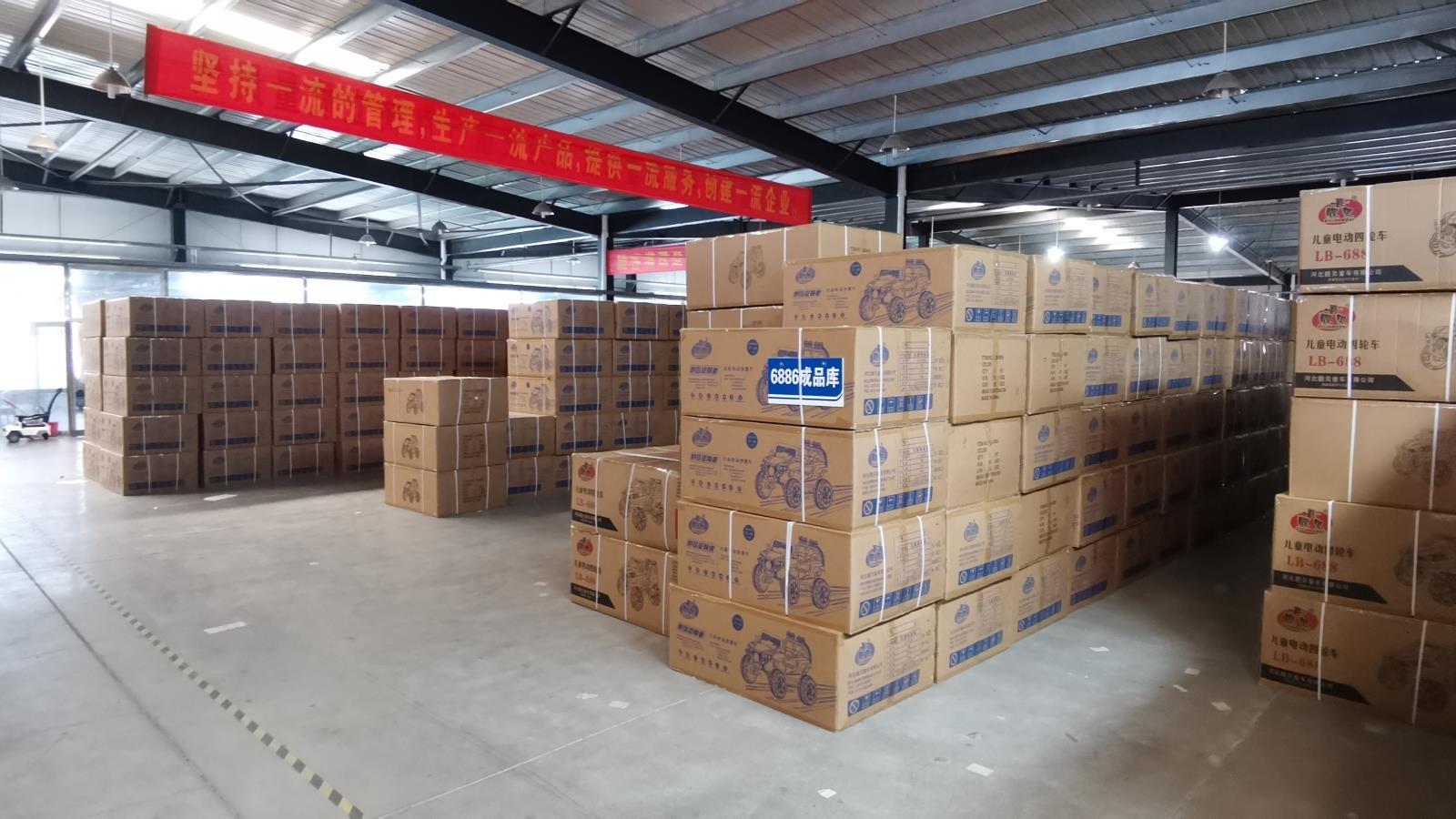
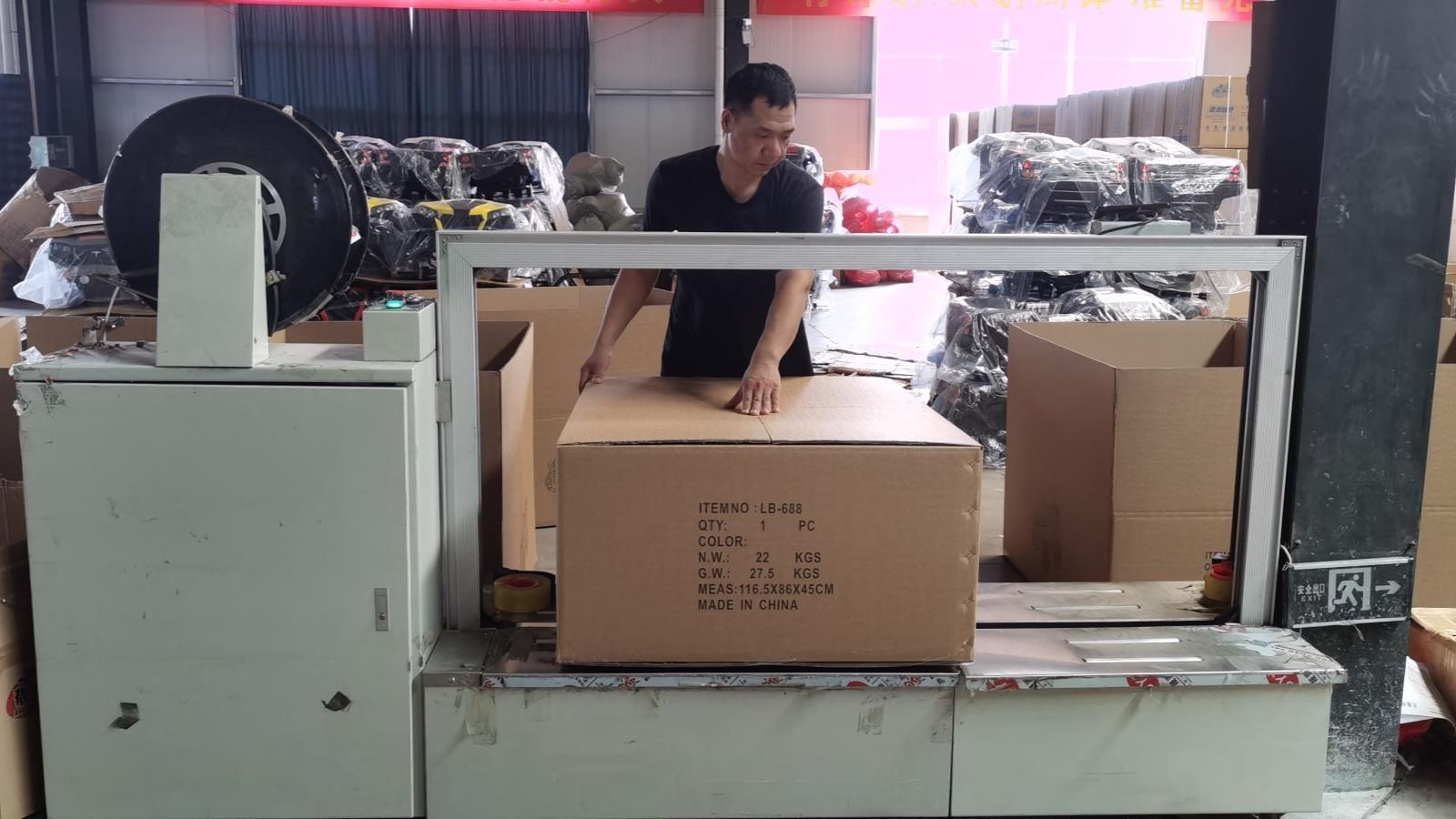
Our raw material planning, precision injection molding, paint lines, final assembly, and export container packing are managed under one roof. This high level of vertical integration helps us keep lead times consistent even during peak holiday shipping seasons, allowing B2B buyers to maintain optimal inventory levels.
The ride-on toy industry is adopting technologies from the consumer EV market. Our engineering team is focusing on several key developmental trends:
Expert answers to common technical and commercial questions from global toy importers, distributors, and purchasing agents.
Discover more of our highly certified, multi-functional kids' ride-on vehicles and related components designed to elevate your product catalog.
 Whoo Toys