Kids electric cars are a popular choice among parents seeking fun and safe outdoor activities for their children. However, these vehicles can encounter issues that hinder their performance. Understanding how to troubleshoot common faults of kids electric cars is essential for maintaining their longevity and usability.
Parents often face challenges like battery failures, slow speeds, or steering problems. Instead of panicking, it's crucial to identify these common issues. Simple fixes can often restore the joy these toys bring. Knowing how to check the battery connections or inspect the wheels can save time and money.
Being proactive in maintaining these electric cars fosters a better experience for both parents and children. It allows for moments of learning and bonding during repairs. Embracing the imperfections in these toys is also part of the adventure. Addressing these challenges reminds us that fun can sometimes come with hiccups, but with a bit of patience, solutions are always within reach.
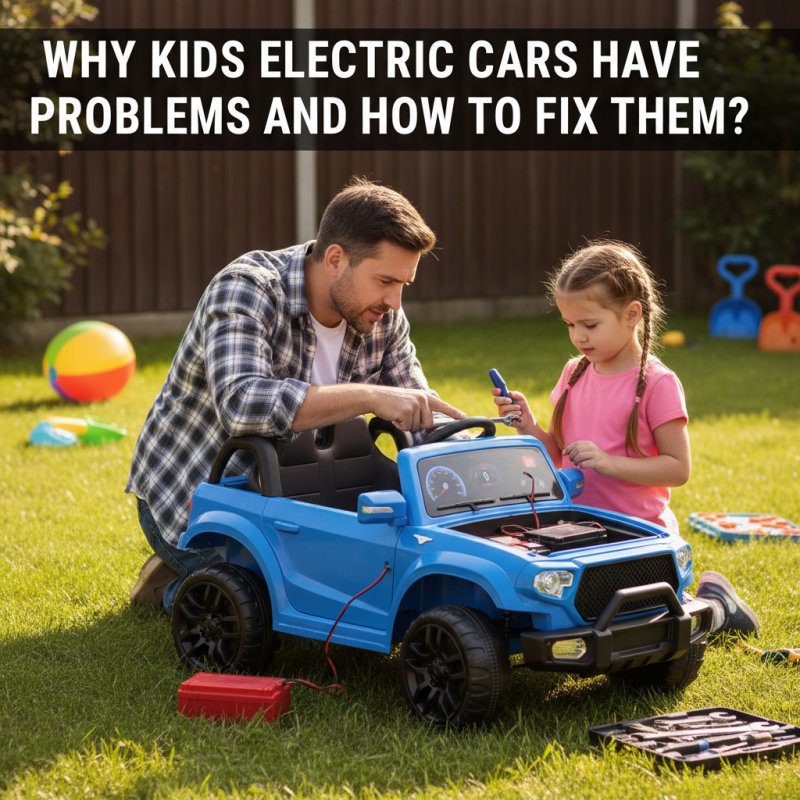
Kids' electric cars can bring hours of joy, but they often face several common issues. One major problem is battery life. Many parents report that batteries do not hold a charge as long as expected. This can lead to disappointing playtime and frustration. Regular charging and proper maintenance are essential to extend battery life.
Another frequent issue is mechanical malfunctions. Parents often find that wheels or motors can wear down quickly. Inspecting these components regularly can help catch early signs of wear. Some kids may also accidentally bump into obstacles, leading to structural damage. Assessing the condition of the car after each use can help identify potential issues.
Safety should always be a priority. Ensure that the car's brakes function properly. A malfunctioning brake can lead to accidents. Checking for loose wires or damaged components is crucial. Encouraging children to follow safety rules will also help minimize risks. A little attention to detail can go a long way in enhancing the experience of using kids' electric cars.
| Issue | Description | Solution | Prevention Tips |
|---|---|---|---|
| Battery Issues | Batteries can lose charge or fail to hold a charge over time. | Regularly check the battery connections and replace the battery if necessary. | Store the car in a dry place and avoid overcharging the battery. |
| Motor Problems | The motor may not function properly, resulting in no movement or slow speeds. | Inspect the motor and gears; replace any faulty components. | Keep the motor clean and free of debris. |
| Tire Wear | Tires may become worn or damaged, affecting performance. | Replace worn tires with new ones and ensure proper inflation. | Regularly check tire pressure and inspect for damage. |
| Charging Issues | Charging issues can prevent the car from operating. | Check the charger and charging port for damage; replace if necessary. | Follow the manufacturer's charging instructions closely. |
| Remote Control Malfunctions | Issues with the remote control can lead to unresponsive vehicle movement. | Replace batteries in the remote and ensure it's paired correctly. | Keep the remote away from water and store it properly. |
: Battery life is a major issue. Many don't hold a charge as expected.
Regular charging and proper maintenance are essential for extending battery life.
Wheels and motors can wear down quickly. Inspect these components regularly.
Kids may bump into obstacles, which can cause structural damage.
Ensure brakes work properly and check for loose wires or damaged components.
Routine checks are vital to catch issues early. Don't overlook them.
It may indicate a wiring issue. Address it promptly.
Improper charging practices and exposure to harsh weather often lead to issues.
Leaving toys outside can diminish battery life. Avoid this practice.
Yes, regular inspections can prevent bigger problems and save on repairs.
Kids’ electric cars can experience a variety of issues that may affect their performance and safety. Common problems include mechanical failures, battery issues, and electrical component malfunctions. To address these challenges, it's essential to understand how to troubleshoot common faults of kids' electric cars. Regular maintenance, such as checking the battery condition and ensuring proper connections, can significantly enhance the vehicle's longevity and reliability.
Additionally, enhancing safety features is crucial to prevent accidents during use. Parents should familiarize themselves with the specific technical aspects of these ride-on toys, including how to identify mechanical failures and perform troubleshooting on electrical components. By equipping themselves with this knowledge, caregivers can ensure a safer and more enjoyable riding experience for their children, maximizing the fun and minimizing potential issues.

 Whoo Toys