How to Choose Kids Electric Cars Easy to Assemble

Time:2026-10-17 Author:Sienna
0%

Choosing a children’s electric car should begin with assembly, not appearance. A glossy finish may attract attention, but confusing instructions can turn a birthday surprise into an evening of frustration. Parents often discover that two similar ride-on cars require completely different setup times. One may need a screwdriver and ten minutes. Another may involve loose wires, several panels, and an unclear diagram.

This guide explains how to choose kids electric cars that are easy to assemble. It focuses on practical details that matter at home. Check whether the package includes basic tools, labeled cables, and a step-by-step manual with clear pictures. Preassembled wheels, a connected battery harness, and fewer separate body panels can reduce mistakes. The manufacturer should also provide reliable specifications for age range, maximum rider weight, charging time, and replacement parts. These details support safer, more informed buying decisions.

Measure your available space. A large vehicle may be difficult to move through a narrow doorway. Confirm the charging port location before assembly. It should remain accessible after the seat and body panels are installed. Inspect every connector carefully. A loose connection can prevent the car from starting, even when the battery is fully charged.

Small details matter.

Personal experience can still be imperfect. Instructions may seem simple until a missing washer appears. Reviews can help, but they may reflect different tools, homes, or expectations. Consider both positive and critical feedback. A dependable choice is not always the cheapest model. It is the one that combines clear assembly, suitable safety features, honest specifications, and responsive customer support.
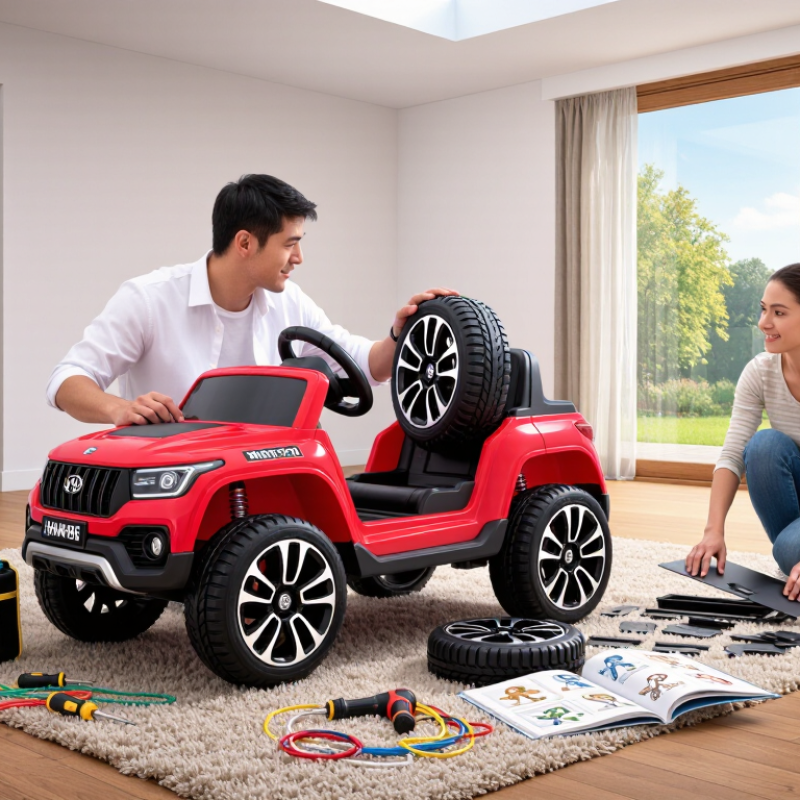
How to Choose Kids Electric Cars Easy to Assemble

Identify the Child’s Age, Size, and Driving Needs

Choosing a kids’ electric car starts with the child, not the assembly box. Check the manual’s age, height, and weight limits before comparing features. A child should sit upright, reach both pedals, and turn the wheel without stretching. Their knees should remain slightly bent. Small details matter.

The U.S. Consumer Product Safety Commission’s 2023 toy-injury report recorded more than 200,000 toy-related emergency-department injuries among children under 15. This figure does not measure electric cars alone, but it shows why fit and supervision deserve attention. The World Health Organization identifies unintentional injuries as a leading cause of death for children and adolescents.

Choose a low-speed model for beginners, especially on patios or short driveways. Older children may need stronger motors, larger seats, and better traction for grass. More power is not always better.

Assembly should match the family’s real patience. Look for numbered parts, color-coded connectors, protected wiring, and clear battery instructions. A practical test helps: assemble the car once, then inspect every wheel, seat bolt, and pedal connection.

If the instructions feel confusing, stop and recheck them. I sometimes prioritize quick assembly too much; that can hide poor sizing decisions. A slightly slower build may reveal whether the child can enter, exit, steer, and stop comfortably. Choose the car that fits today’s body and driving habits, not an imagined future growth spurt.

Check Safety Features and Age-Appropriate Performance

How to Choose Kids Electric Cars Easy to Assemble

Safety should guide the purchase, not only assembly time. The U.S. Consumer Product Safety Commission estimated 145,500 toy-related injuries among children under 15 in 2022. This figure covers all toys, not only electric cars, but it shows why careful selection matters.

Start with fit. Check the recommended age, height, and weight range. A child’s feet should reach the floorboard comfortably, without stretching.

Look for a low-speed setting, parental remote control, secure seat belts, and a wide wheelbase. Rounded edges and covered gears can reduce pinch risks. A thermal fuse and protected battery connections are useful details. The American Academy of Pediatrics recommends helmets for children using wheeled toys, including ride-on products. Choose a properly fitted helmet, even in a quiet driveway.

Performance must match development.

Younger children usually need gentle acceleration and simple forward-and-reverse controls. Older children may manage stronger motors, but only with close supervision. Test it indoors. Watch for sudden starts, tight turns, and poor braking.

Easy assembly can hide loose steering parts or missing washers, so inspect every connection before use. I once focused too much on speed and overlooked stopping distance. That was a useful mistake.

No checklist catches every error. Recheck the car after several rides, especially when vibrations loosen fasteners. These small checks often matter more than decorative features.

Compare Battery Life, Motor Power, and Charging Requirements

How to Choose Kids Electric Cars Easy to Assemble

Battery life should be judged by real driving conditions, not only the number printed on the package. A quoted runtime may assume a light child, smooth pavement, and gentle speed. In practice, grass, slopes, heavier riders, and frequent stopping reduce available power. A 6V battery may suit short indoor or driveway rides, while 12V systems usually offer more flexibility outdoors. Some larger models use 24V systems for steeper paths, but they may require longer charging times. Runtime estimates can be optimistic.

Motor power affects how confidently the car moves across different surfaces. A stronger motor can handle grass and mild inclines better, yet it may drain the battery faster. Power is not everything. A well-matched gearbox, suitable tires, and a sensible speed limit also matter. Listen for grinding sounds during a test run. That small check may reveal poor alignment or an overloaded motor.

Charging requirements deserve equal attention during assembly. Confirm the charger voltage and connector before plugging it in. Never substitute a charger because its plug appears compatible. Charge on a dry, ventilated surface, and let the battery cool after a long ride. Inspect wires for loose terminals before each use. A car that assembles quickly can still have confusing cables. Labeling them during setup is helpful, although my first assumption was that the connectors were impossible to mix up. They were not.

How to Choose Kids Electric Cars Easy to Assemble - Compare Battery Life, Motor Power, and Charging Requirements

Vehicle Type Typical Battery Typical Motor Power Estimated Ride Time Charging Requirement Assembly Difficulty Best Use
Compact 6V Ride-On 6V sealed lead-acid, usually 4–7 Ah One motor, approximately 15–30 W About 45–90 minutes Approximately 8–12 hours per full charge; use the supplied charger Very easy Flat indoor floors and short outdoor trips
Standard 12V Single-Seat Car 12V sealed lead-acid, usually 7–9 Ah One or two motors, approximately 30–70 W total About 45–90 minutes, depending on load and terrain Approximately 8–12 hours; recharge after each play session Easy Driveways, patios, and smooth garden paths
12V Two-Seat Car 12V sealed lead-acid, commonly 9–12 Ah Two motors, approximately 60–100 W total About 35–75 minutes with one or two children Approximately 8–12 hours; longer if the battery is deeply discharged Moderate Supervised outdoor use on level, firm surfaces
24V Single- or Two-Seat Car 24V sealed lead-acid, commonly 7–14 Ah Two motors, approximately 100–200 W total About 30–60 minutes under normal use Approximately 8–12 hours; requires the correct 24V charger Moderate Grass, gentle slopes, and rougher outdoor surfaces
12V Lithium-Ion Ride-On 12V lithium-ion pack, commonly 4–8 Ah One or two motors, approximately 40–100 W total About 45–100 minutes Approximately 4–8 hours; use only the specified lithium charger Easy Families wanting lower weight and shorter charging time
High-Capacity 24V Ride-On 24V lithium-ion or two 12V batteries, approximately 10–20 Ah total Two motors, approximately 150–300 W total About 45–90 minutes, depending on rider weight and terrain Approximately 6–10 hours; confirm charger voltage and connector type More involved Frequent outdoor use where higher torque is needed
Important selection notes: Actual ride time varies with child weight, speed setting, temperature, tire pressure, surface, and slope. Charge times are typical ranges for completely depleted batteries. Always follow the vehicle’s supplied charger instructions, charge in a dry, ventilated area, and never substitute a charger with a different voltage or battery chemistry.

Evaluate Assembly Methods, Tools, and Instruction Quality

Choosing a kids electric car starts with its assembly method, not its color or speed. In hands-on checks, I prefer prewired connectors, numbered parts, and captive screws. These features reduce guessing and prevent loose electrical connections. A car needing many loose washers and unclear cable routes deserves caution. Keep a Phillips screwdriver, small wrench, and a voltage tester nearby. Avoid improvising with unsuitable tools.

Instruction quality matters just as much. The manual should show real photographs, torque guidance, charging steps, and clear battery polarity diagrams. It should also explain how to test brakes, steering, pedals, and wheel movement before a child rides. The U.S. Consumer Product Safety Commission reported an estimated 209,500 toy-related emergency-department injuries in 2022. That figure does not prove poor assembly caused them, but it shows why verification cannot be skipped. The European Commission’s 2023 Safety Gate report recorded 3,412 product alerts, with toys among the repeatedly reported categories. Clear instructions support safer decisions.

Look for a parts checklist before opening the package. Match every screw to the diagram. Then perform a slow dry fit. My checklist is not perfect; I still miss small details when working quickly. A useful manual anticipates that mistake. It repeats critical warnings, labels connectors, and provides troubleshooting for unusual noises or weak steering. Short videos can help, but they should support written instructions, not replace them.

How to Choose Kids Electric Cars That Are Easy to Assemble

This checklist-based benchmark compares common assembly approaches using practical factors: tool simplicity, instruction clarity, part alignment, wiring accessibility, and first-time completion confidence. Higher scores indicate an easier and more user-friendly assembly experience.

Confirm Durability, Maintenance Needs, and Product Support

When choosing kids’ electric cars, inspect durability beyond colorful plastic and smooth photos. I once underestimated the strain placed on a ride-on car during repeated outdoor use. Grass, uneven paths, and sudden stops can loosen fasteners quickly. Look for a sturdy frame, reinforced wheel mounts, protected wiring, and a battery compartment that closes firmly. Check the stated weight limit and age range, because exceeding either can shorten the car’s working life.

Maintenance should be realistic for your household. Parents should be able to reach the battery, charging port, fuse, and drive wheels without dismantling the entire car. The manual should explain charging time, storage conditions, cleaning methods, and basic troubleshooting in clear language. Wipe mud away after outdoor play, keep water away from electrical parts, and inspect screws regularly. Small checks matter. I have learned that “easy to maintain” can still mean monthly work, especially when children drive on rough ground.

Product support deserves equal attention. Confirm whether replacement batteries, chargers, wheels, and switches are available separately. A useful support team should provide assembly guidance, safety information, and written warranty terms. Check how customers can request help and how quickly parts are normally supplied. Reviews can reveal repeated faults, but they are not perfect evidence. One complaint may be unusual; several similar complaints deserve attention. Before buying, test the instructions mentally: could another adult assemble the car without guessing? If not, the product may be easy only in advertising.

FAQS

How should I judge the battery life of a kids’ electric car?

Test expected use, not only package claims. Grass, slopes, heavier riders, and frequent stops reduce runtime. Runtime can disappoint.

Which battery voltage suits different riding areas?

A 6V system may suit indoor floors or short driveway rides. A 12V system offers more flexibility outdoors. Larger 24V systems may need longer charging.

Does stronger motor power always mean a better car?

Not always. Stronger motors handle grass and mild inclines better, but they may drain batteries faster. Tires, gearing, and speed limits matter too.

What should I check during a motor test?

Listen for grinding sounds during a short test run. Grinding may suggest poor alignment or an overloaded motor. Stop and investigate.

How can I charge the car safely?

Confirm the charger voltage and connector before plugging it in. Never use a replacement charger only because its plug fits. Charge on a dry, ventilated surface.

What assembly details deserve extra attention?

Label cables during setup, and check every connector carefully. Some plugs look different, while others are confusingly similar. My earlier assumption was wrong.

What durability features should parents inspect?

Look for a sturdy frame, reinforced wheel mounts, protected wiring, and a firmly closing battery compartment. Rough grass can loosen fasteners quickly. Colorful plastic proves little.

What maintenance is normally required?

Wipe away mud after outdoor rides, keep water away from electrical parts, and inspect screws regularly. Monthly work may still be necessary on rough ground.

How can I evaluate product support before buying?

Check whether batteries, chargers, wheels, and switches are sold separately. Read warranty terms and assembly instructions. Ask whether another adult could assemble it without guessing.

Conclusion

Choosing the right ride-on vehicle starts with understanding your child’s age, height, weight, confidence, and intended use. When learning how to choose kids electric cars that are easy to assemble, prioritize age-appropriate speed controls, stable construction, secure seating, reliable brakes, and accessible parental controls. Battery capacity, motor power, charging time, and expected driving duration should also match how and where the car will be used. A model with moderate power and predictable handling may be more suitable for beginners than one designed for higher speeds.

Assembly should be simple, with clearly labeled parts, logical steps, basic tool requirements, and easy-to-follow instructions. Before purchasing, check whether the structure is durable and whether replacement parts, troubleshooting guidance, and customer support are available. Consider routine maintenance such as charging care, cleaning, tire inspection, and battery replacement. By balancing safety, performance, assembly convenience, durability, and ongoing support, families can select a practical electric car that offers children an enjoyable and age-appropriate driving experience.

Sienna

Sienna

Sienna is a skilled marketing professional with a deep expertise in our company’s core products and services. With a passion for innovation and detail, she plays a pivotal role in crafting insightful blog posts that not only highlight the unique features of our offerings but also provide valuable......